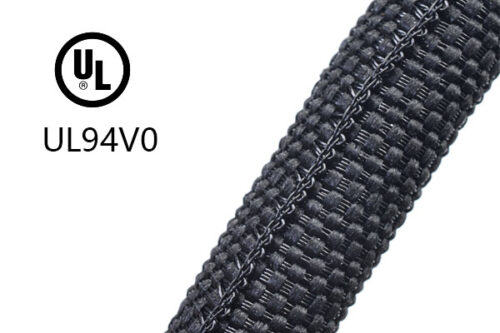
A nylon protective sleeve plays a vital role in hydraulic safety systems, especially where pinch valves, hoses, and fittings operate under pressure. Its purpose is not to withstand internal pressure, but to contain and control high-energy oil spray during component failure.
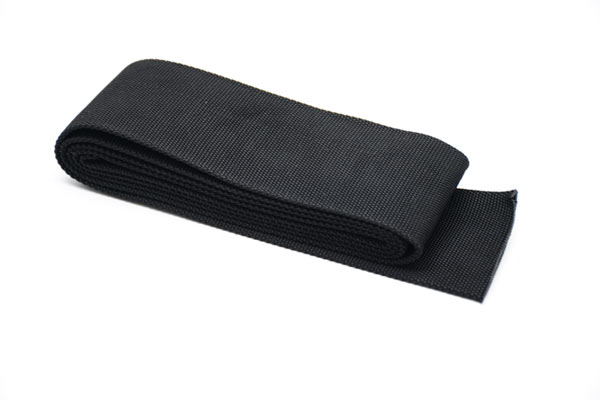
Understanding Spray Hazards in Hydraulic Systems
High-pressure oil leakage creates a jet effect capable of penetrating skin and damaging equipment. The danger lies in the velocity and direction of the oil spray, not simply the pressure value.
A nylon protective sleeve reduces this hazard by:
- Blocking direct spray paths
- Dispersing jet energy through dense fiber structures
- Redirecting oil flow away from personnel
Performance by Sleeve Structure
| Sleeve Type | Spray Containment Result |
| Low-density sleeve | Oil jet escapes → unsafe |
| High-density nylon sleeve | Jet dispersed → safer |
| Dual-layer / reinforced sleeve | Maximum containment |
As long as the sleeve can disperse and redirect the spray, it effectively protects both workers and equipment.
Using PN Ratings as a Risk Reference
PN ratings define safe operating pressure for valves and piping components. While nylon protective sleeves do not carry pressure, PN values help determine spray risk classification:
| PN System Rating | Risk Category | Sleeve Selection |
| PN6 | Low | Basic sleeve |
| PN10 | Medium | High-density nylon sleeve |
| PN16 | Medium–High | Reinforced sleeve |
| PN25+ | High | Multi-layer or rigid protection |
A properly designed nylon protective sleeve acts as a critical safety barrier, ensuring compliance with industrial safety standards and reducing accident risk.