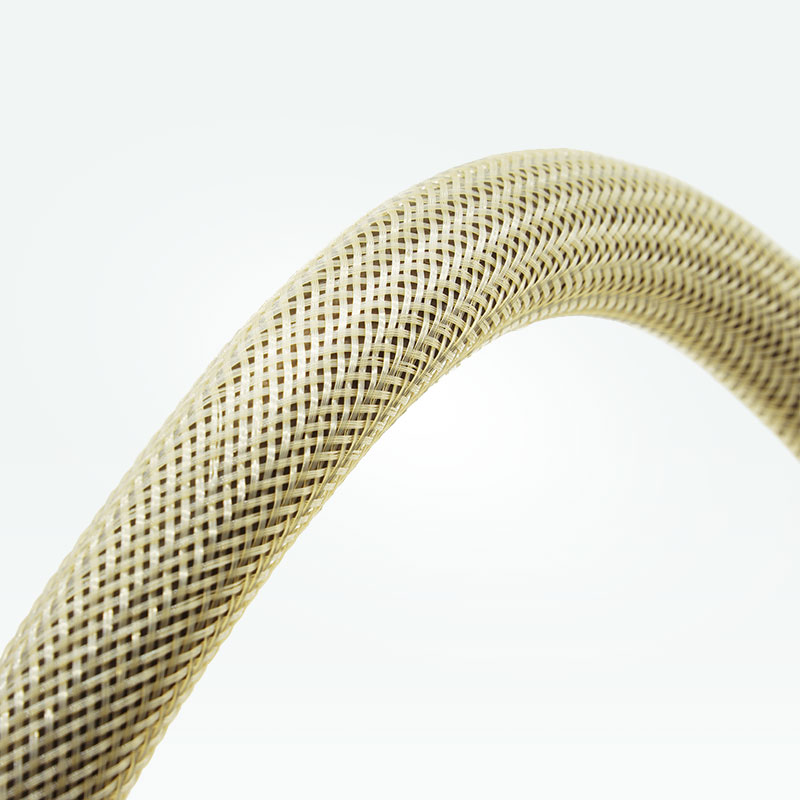
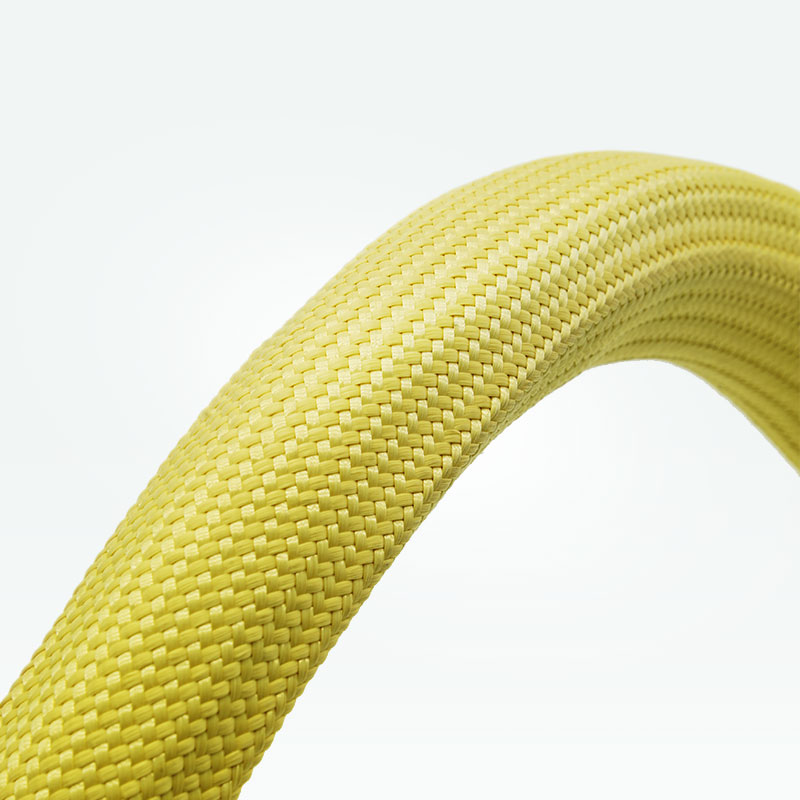
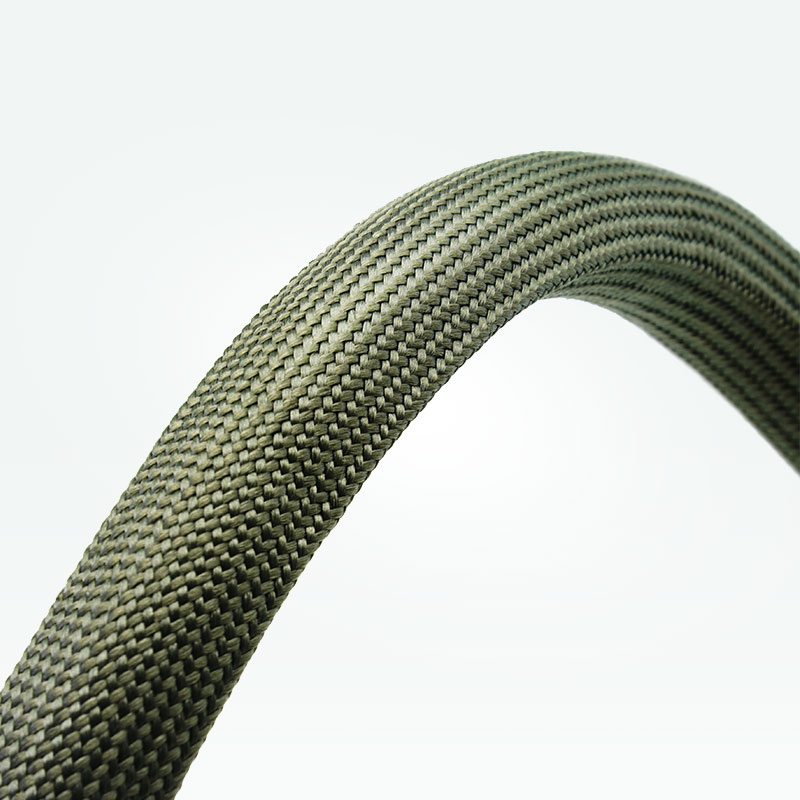
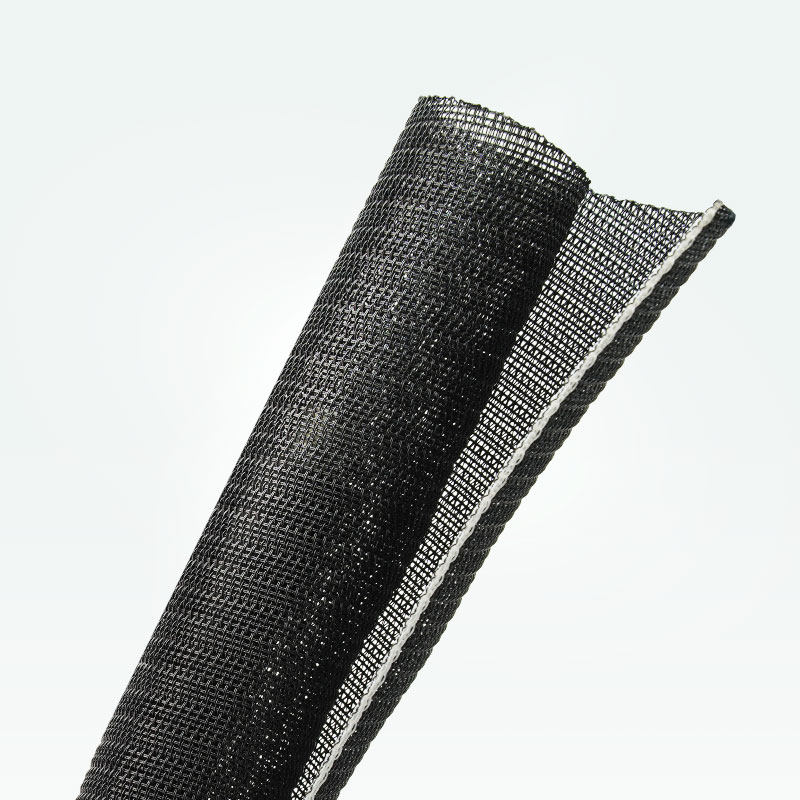
Application-Focused Protection for Charging Cables, Power Connections, Communication Lines, Control Wiring and Thermal-Management Systems
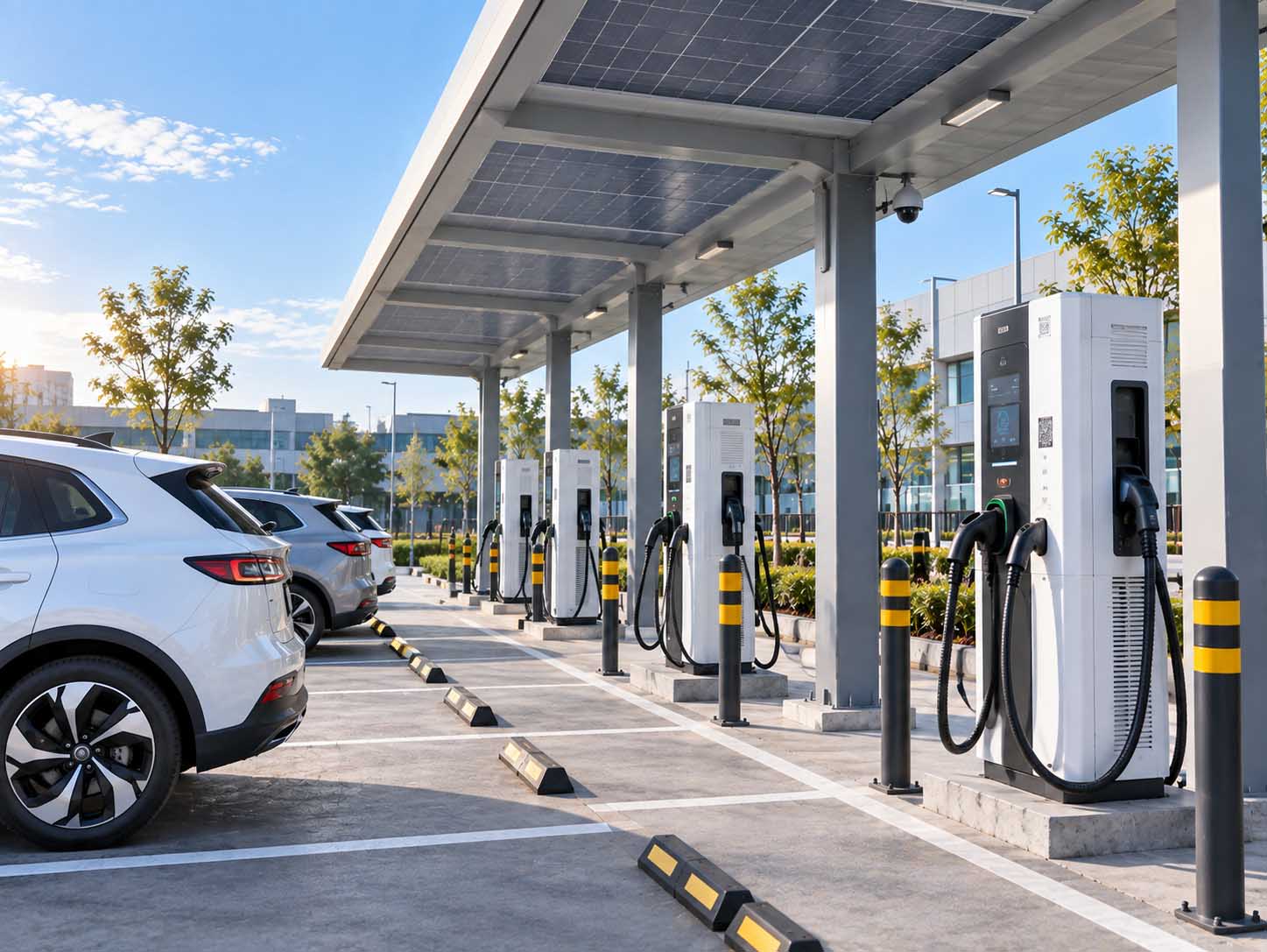
EV charging equipment combines high-voltage power cables with signal, communication, sensor and control wiring. These cables may be exposed to repeated handling, abrasion, bending, heat, UV radiation, moisture and outdoor temperature changes.
Suitable cable protection helps reduce mechanical damage, organize internal wiring, improve cable identification and support reliable installation and maintenance. MJ FLEX provides standard and customized solutions for AC chargers, DC fast chargers, charging hubs and liquid-cooled charging systems.
Why EV Charging Cables Need Protection
EV charging systems operate in public, commercial, residential and industrial locations. Charging cables are repeatedly moved, pulled, bent and returned to their storage positions, while internal wiring must remain organized inside compact charger enclosures.
Cable protection solutions can help:
• Reduce abrasion and mechanical wear
• Protect cables during repeated bending and handling
• Improve resistance to UV and outdoor exposure
• Organize power, signal and communication cables
• Protect wiring from enclosure edges and internal components
• Support flame-retardant requirements
• Improve cable identification
• Simplify installation, inspection and maintenance
Product selection should consider cable dimensions, bend radius, movement, voltage, temperature, UV exposure, installation space and required standards.
Protection by EV Charging Application
Different EV charging systems and installation areas create different cable protection requirements. The following guide connects common application areas with typical protection needs and suitable MJ FLEX product families.
| APPLICATION AREA |
MAIN REQUIREMENTS |
RECOMMENDED SOLUTIONS |
| Charging Cables and Connector Leads |
Repeated handling, bending, dragging, surface abrasion and required flexibility |
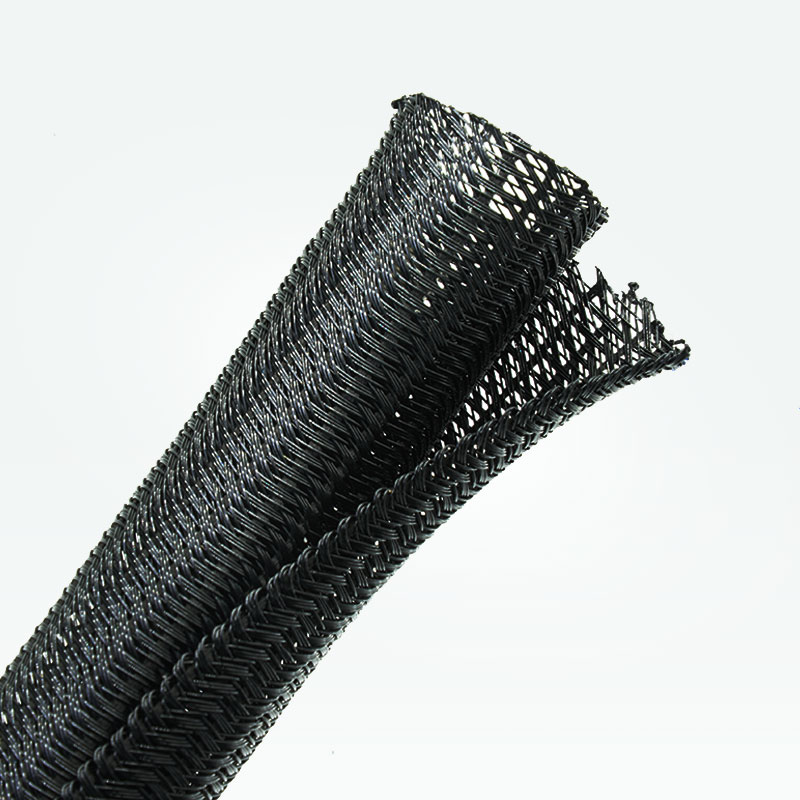
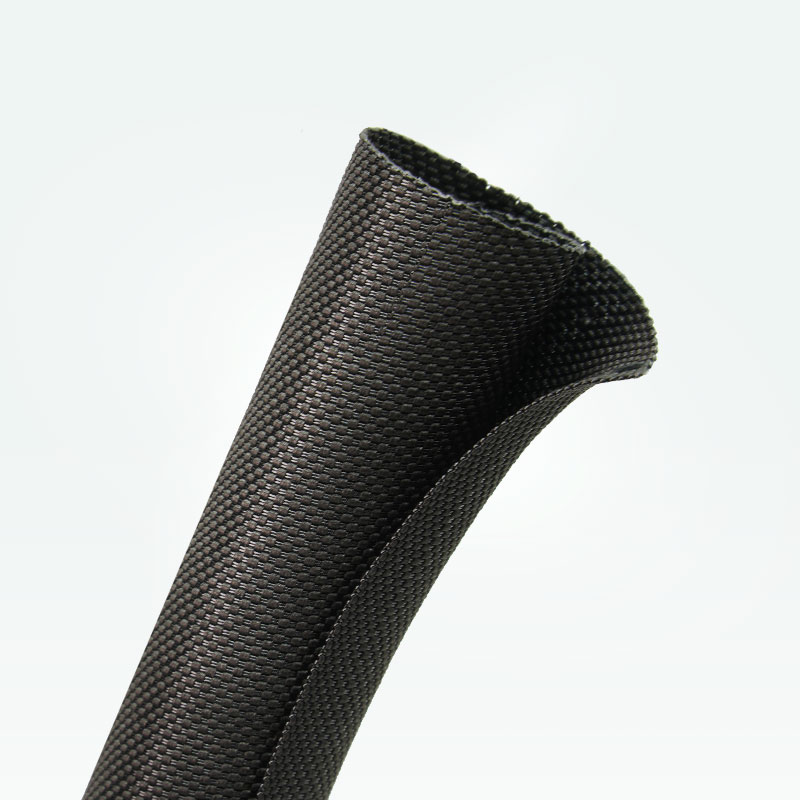
Flexible braided sleeving; abrasion-resistant PA sleeving; high-density PET braided sleeving; self-closing braided wraps; woven textile sleeves; customized heavy-duty cable protection |
| AC Charging Stations |
Organized routing, abrasion protection, heat exposure, enclosure edges and maintenance access |
Expandable PET braided sleeving; flame-retardant braided sleeving; self-closing cable wraps; woven split sleeves; heat-shrink tubing; cable identification sleeves |
| DC Fast-Charging Equipment |
High-voltage cable protection, elevated temperatures, dense routing and flame performance |
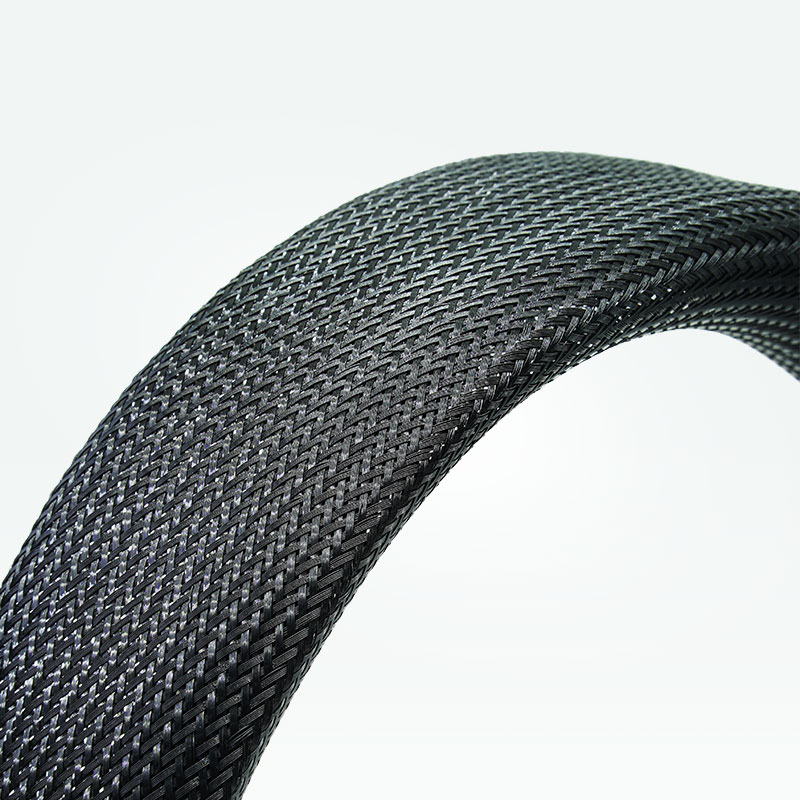
Flame-retardant PET or PA sleeving; high-density braided sleeving; PA66 braided sleeving; PPS high-temperature sleeving; fiberglass sleeving; silicone-coated fiberglass sleeving; heat-reflective sleeving |
| Liquid-Cooled Charging Systems |
Movement, heat, vibration, coolant exposure and combined cable/hose protection |
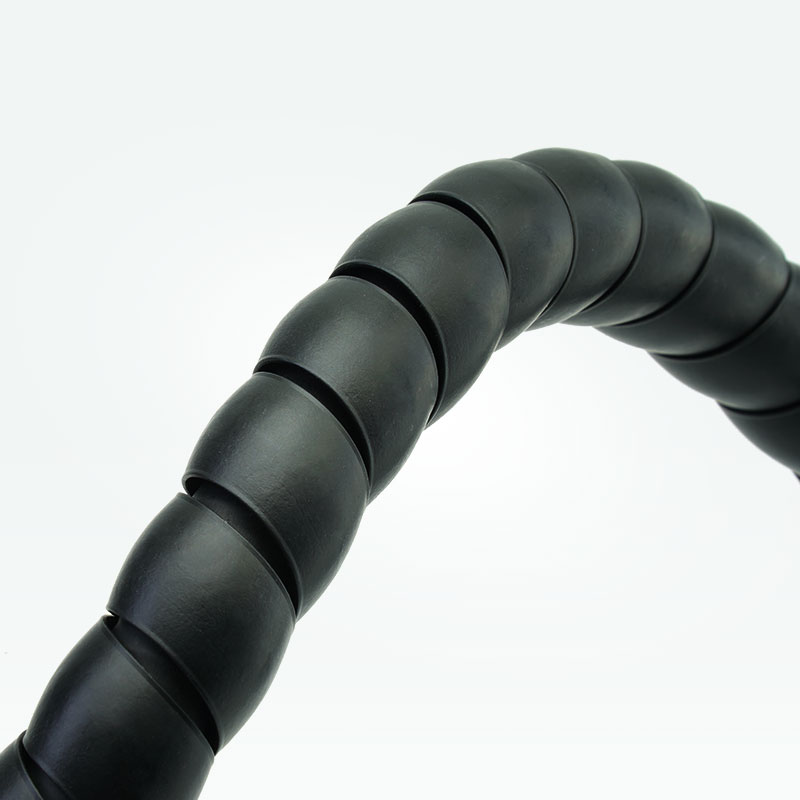
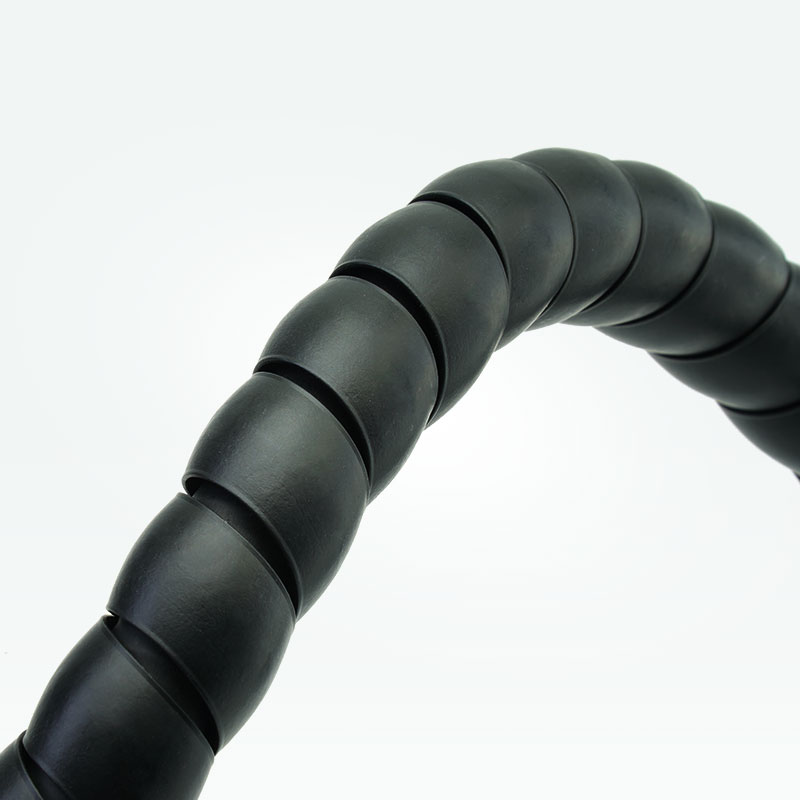
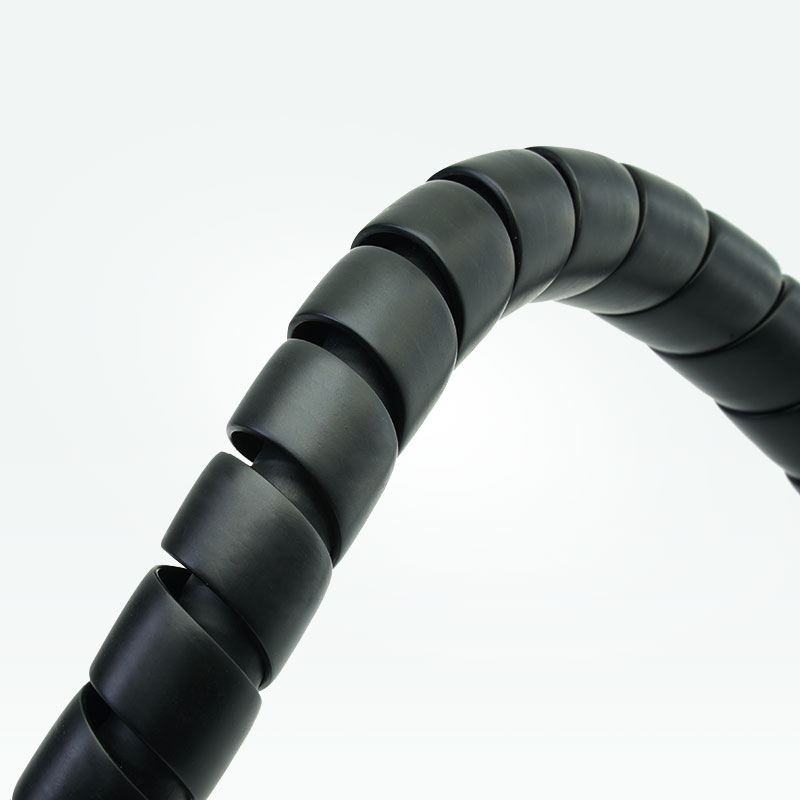
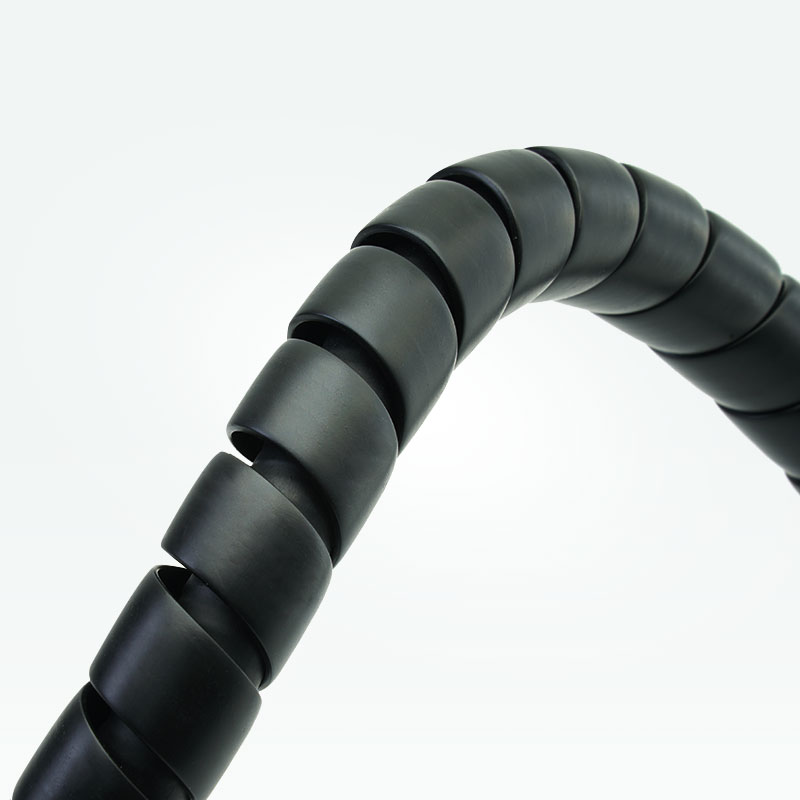
Abrasion-resistant braided sleeving; flexible self-closing cable wraps; hydraulic hose protection sleeves; woven split sleeves; heat-resistant sleeving; customized cable and hose protection |
| Charger Cabinets and Power Modules |
Dense wiring, flame protection, heat, cable separation, EMI requirements and maintenance access |
Flame-retardant expandable sleeving; self-closing braided wraps; woven split cable sleeves; heat-resistant sleeving; EMI shielding sleeves; heat-shrink tubing; customized cable identification |
| Communication and Control Systems |
Signal cable protection, abrasion control, flexible routing and electromagnetic interference control |
Lightweight PET braided sleeving; self-closing cable wraps; split cable sleeves; tinned-copper shielding sleeving; copper-foil shielding sleeves; EMI self-closing wraps |
| Outdoor Charging Installations |
UV radiation, rain, dust, wind, abrasion and outdoor temperature changes |
UV-resistant PET braided sleeving; weather-resistant self-closing wraps; abrasion-resistant PA sleeving; high-density braided sleeving; rodent-resistant cable sleeves; customized outdoor protection products |
| Charging Hubs and Power Distribution |
Large cable bundles, organized routing, identification, flame protection and future expansion |
Large-diameter expandable sleeving; split cable protection sleeves; self-closing cable wraps; flame-retardant braided sleeving; cable identification products; customized cut lengths and packaging |
Important Selection Note: Cable outside diameter, minimum bend radius, movement frequency, continuous and peak temperatures, voltage, UV exposure and installation conditions should be evaluated before selecting the protective sleeve. Material compatibility should also be confirmed where coolant or other fluids may contact the protection system.
EV Charging Products from MJ FLEX
MJ FLEX provides standard and customized cable and hose protection products for EV charging applications, including:
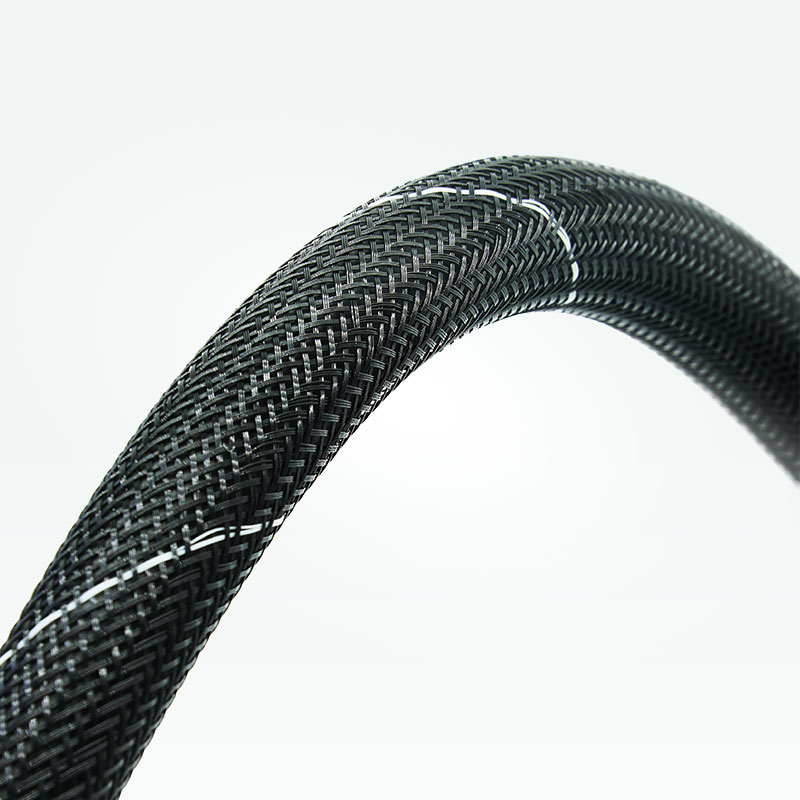
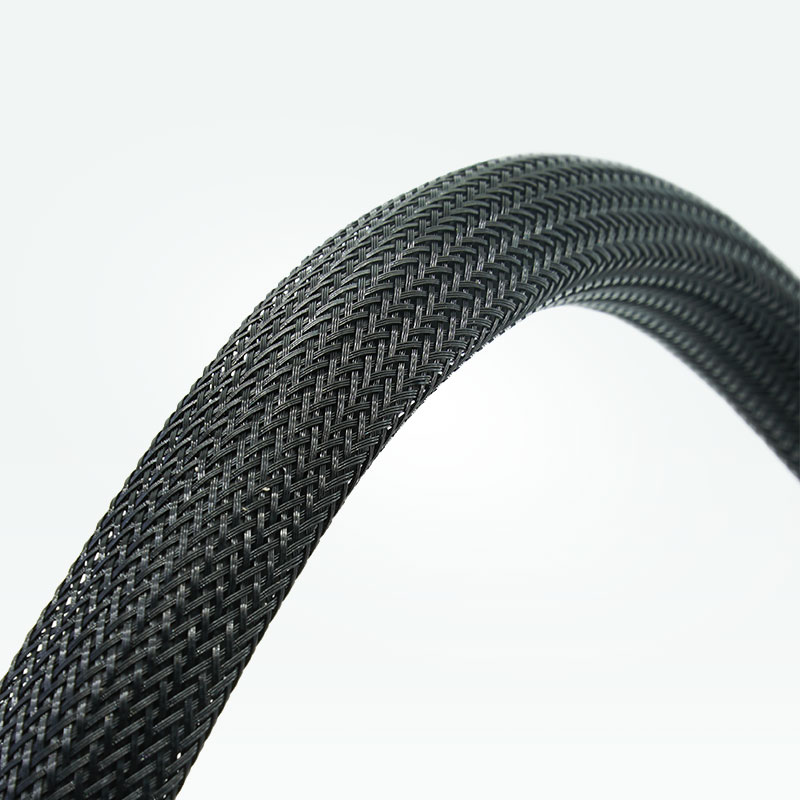
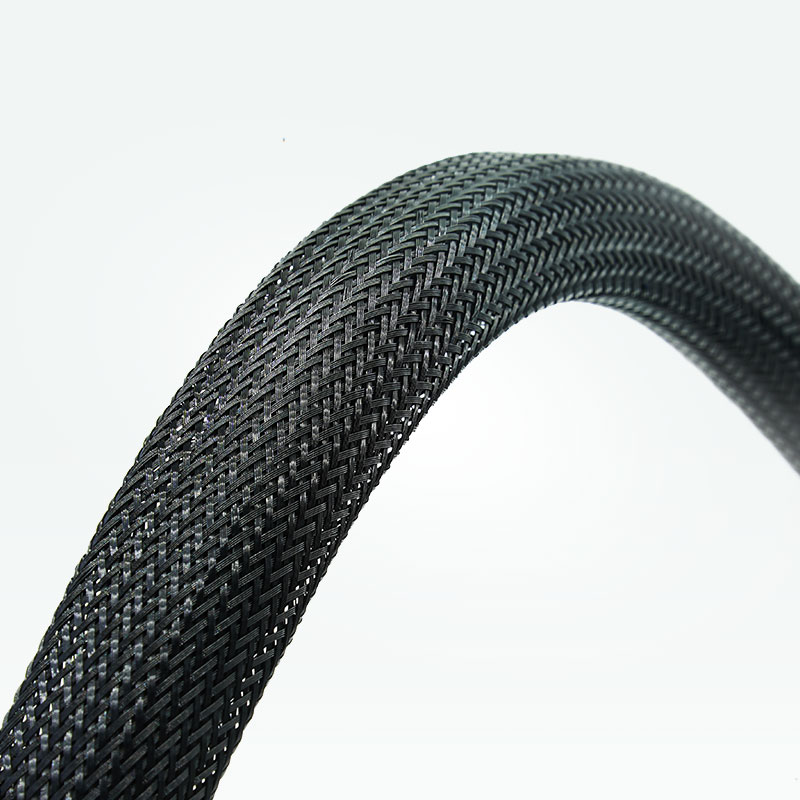
• Expandable braided sleeving
• Self-closing braided wraps
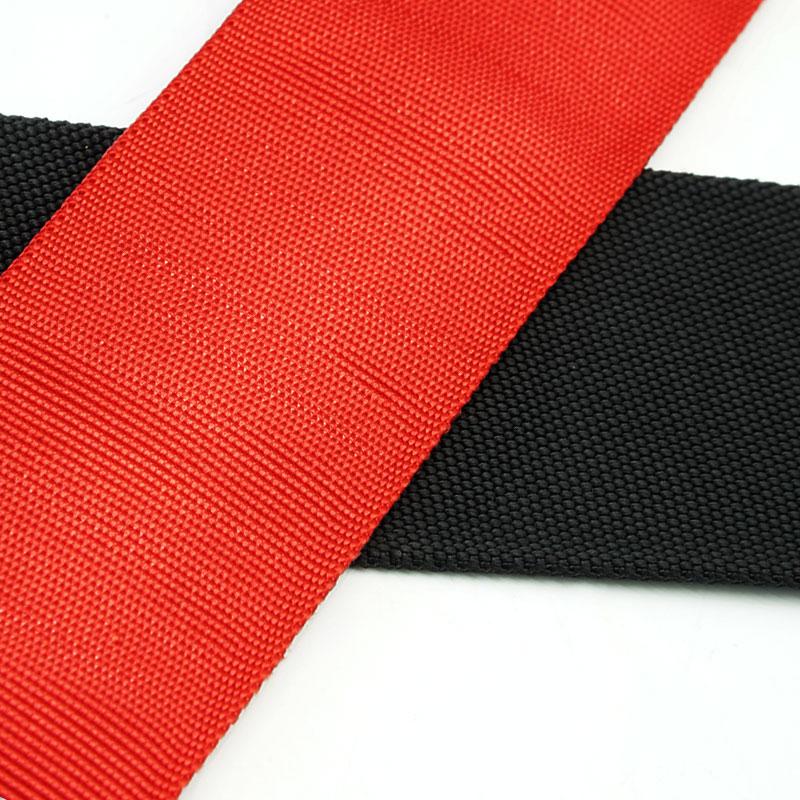
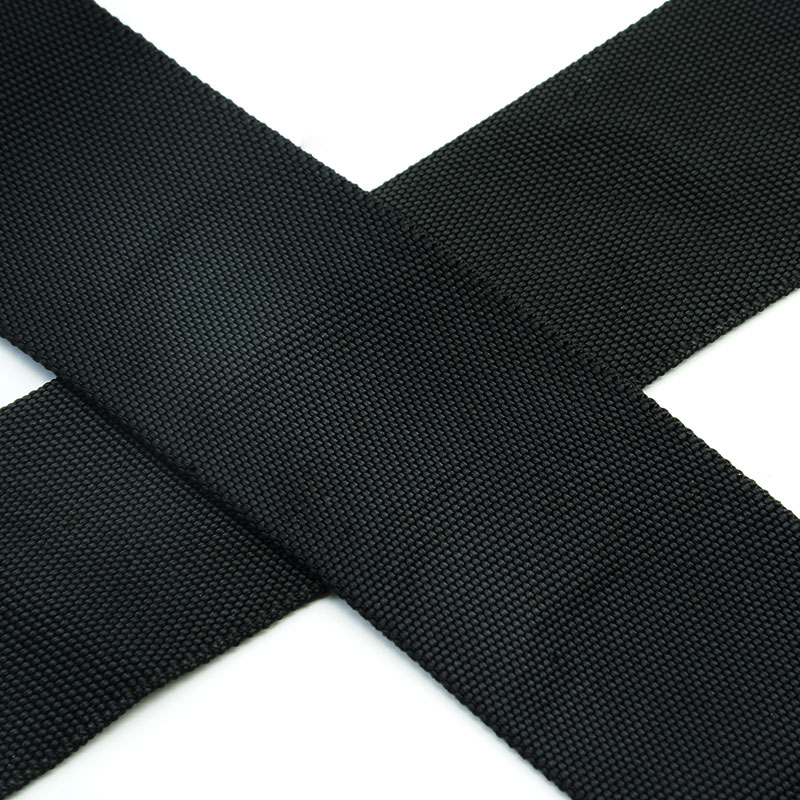
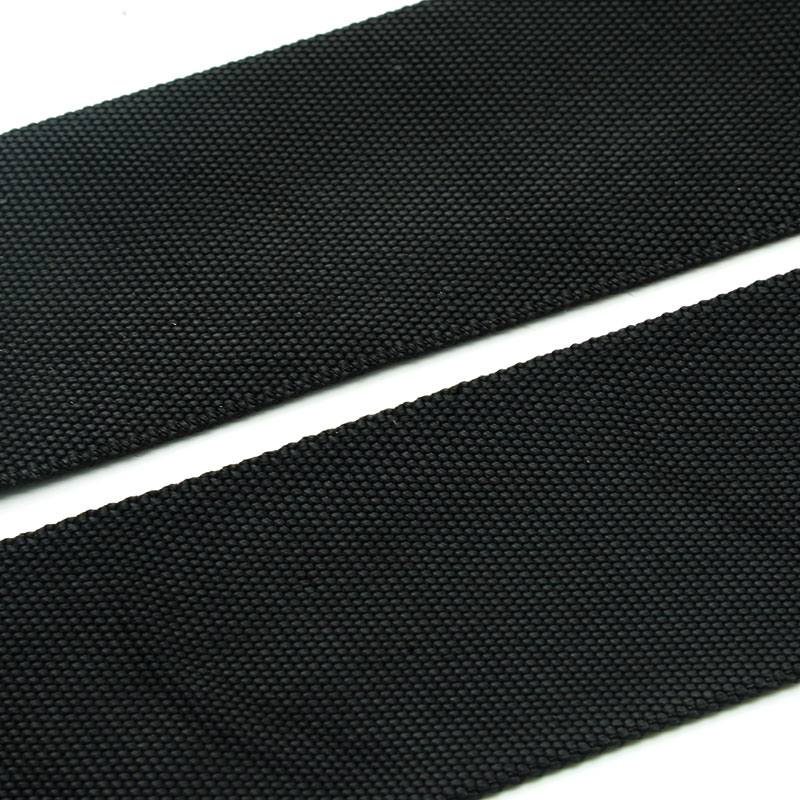
• Woven split sleeves
• UV-resistant braided sleeving
• Flame-retardant sleeving
• Abrasion-resistant PA sleeving
• High-temperature braided sleeving
• Fiberglass sleeving
• Silicone-coated fiberglass sleeving
• Hydraulic hose protection sleeves
• EMI shielding sleeving
• Heat-shrink tubing
• Rodent-resistant cable sleeves
• Customized cable protection products
Available Materials: PET, PA6, PA66, PPS, PEEK, fiberglass, aramid, copper, stainless steel and selected hybrid constructions.
EMI Shielding for Communication and Control Systems
EV chargers use communication cables for vehicle connection, network access, payment systems, monitoring and remote control. Sensitive signal cables may require protection from abrasion and electromagnetic interference.
Available shielding options include:
• Tinned-copper braided sleeving
• Copper-foil shielding sleeves
• EMI self-closing wraps
• Customized shielding structures
Shielding Note: Shielding performance depends on material coverage, grounding, termination and system design. The complete shielding arrangement should be evaluated according to the equipment and frequency range.
Customized EV Charging Cable Protection
Different charging projects may require specific materials, dimensions, structures and performance. MJ FLEX supports customized development based on actual equipment and installation requirements.
| CUSTOM AREA |
AVAILABLE OPTIONS |
| Material |
Materials and material combinations |
| Dimensions |
Inner diameter and expansion range |
| Coverage |
Braid density and cable coverage |
| Structure |
Wall thickness, flexibility and self-closing overlap percentage |
| Environmental Performance |
UV and abrasion resistance |
| Flame Performance |
Flame-retardant material and construction options |
| EMI Protection |
EMI shielding structures and hybrid constructions |
| Identification |
Colors and high-voltage identification |
| Supply Format |
Cut lengths, rolls and customized packaging |
Samples can be prepared for installation and performance evaluation before production approval.
Quality and Testing Support
MJ FLEX applies material inspection, first-piece verification, in-process control, final inspection and production records to support consistent product quality.
Depending on the selected product and project requirements, available testing and documentation may include:
• UV testing according to ISO 4892-2
• UL VW-1
• UL 94 V-0 or V-2
• RoHS
• REACH
• Halogen-free testing
• Product specifications
• Material information
• Test reports
• Inspection and batch records
Compliance Note: Certification and test-report availability must be confirmed for the exact product, material, color, size and construction. Reports issued for one product should not be assumed to cover the complete product portfolio.
Find the Right EV Charging Cable Protection Solution
Whether your project requires flexible protection for charging cables, flame-retardant sleeving for internal wiring, heat protection for power modules or customized protection for liquid-cooled systems, MJ FLEX can help evaluate the application and recommend a suitable solution.
Share your cable dimensions, charger type, movement, operating temperature, UV exposure and performance requirements with our team.




 English