



 English
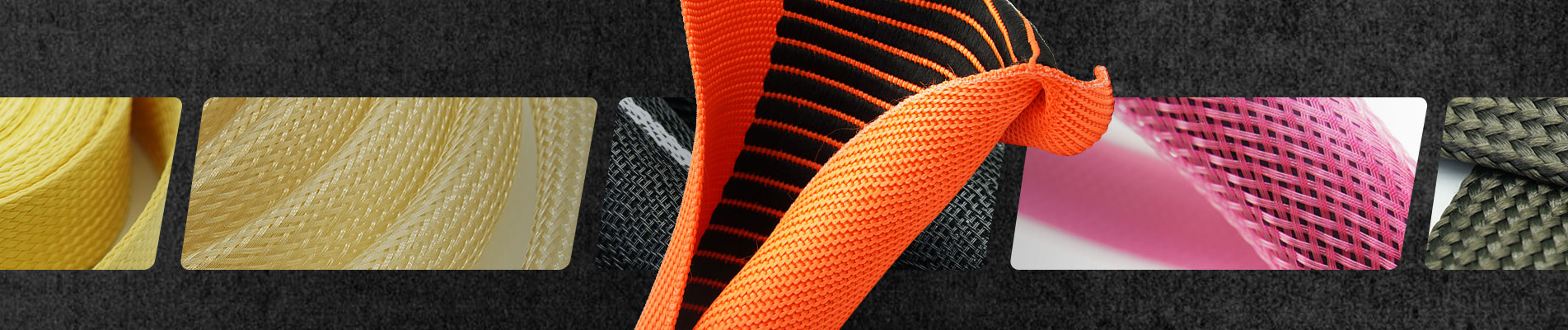
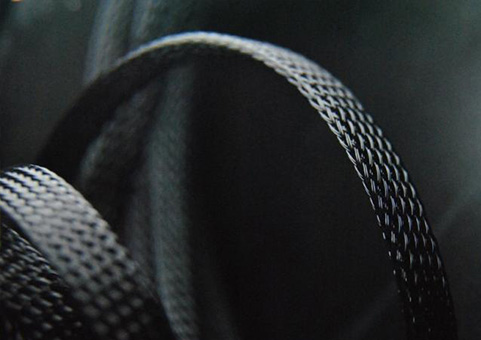
Quick answer: Choose PET expandable braided sleeving when you can slide a sleeve onto the harness from an open end. Choose self-closing braided sleeving when the harness is already assembled or needs later access. Choose self-closing woven sleeving when you need the same wrap-around access but prefer a fabric-like surface or a different coverage and handling profile. These are starting points, not performance ratings. The best choice depends on the actual sleeve construction, harness diameter, routing and installation process. The Three Constructions at a Glance Selection factor PET expandable braided sleeving Self-closing braided sleeving Self-closing woven sleeving Basic construction Tubular braid Braided sleeve with a lengthwise self-closing opening Woven sleeve with a lengthwise self-closing opening Typical installation Slide onto the harness from an end Wrap around the harness from the side Wrap around the harness from the side Access after installation Usually requires removing an end fitting or sliding the sleeve back Open the overlapping edges to access the harness Open the overlapping edges to access the harness Main sizing concern Bundle diameter and the largest component the sleeve must pass over Bundle diameter and remaining edge overlap Bundle diameter and remaining edge overlap Coverage check Inspect the braid at the installed diameter Inspect both braid coverage and the lengthwise overlap Inspect fabric coverage and the lengthwise overlap Choose PET Expandable Braided Sleeving for Open-End Installation A tubular PET braided sleeve expands as it is pushed over a cable bundle. It is often a practical choice when the harness can be sleeved before connectors are fitted, or when its connectors are small enough for the selected sleeve to pass over. Check two dimensions before selecting a size: the finished bundle diameter and the widest connector or component the sleeve must cross. A product may fit the bundle well but be difficult to install over a large plug. Also inspect the braid at its final diameter. Expansion changes the braid geometry, so coverage and the length needed to protect a given section can change during installation. Consider this construction when: you have access to a harness end and want a continuous sleeve without a lengthwise opening. Choose Self-Closing Braided Sleeving for an Assembled Harness Self-closing braided sleeving, sometimes called split braided sleeving or wrap-around braided sleeving, has an opening along its length. The edges wrap around the cables and overlap after installation. This makes it useful for an assembled harness, a retrofit or a section that technicians may need to reopen. The key fit check is the overlap after the sleeve is installed, especially at the widest bundle sections, bends, branches and cable ties. Braided self-closing sleeves can vary substantially in braid density and surface feel. If the application requires a particular level of visual coverage or abrasion protection, compare samples fitted to the real harness rather than relying on the construction name alone. Consider this construction when: side installation and later harness access are priorities, and the selected braid meets your coverage and protection requirements. Choose Self-Closing Woven Sleeving for a Fabric-Like Wrap Self-closing woven sleeving also installs from the side, but its woven construction gives it a different surface and handling feel from a braided wrap. Depending on the specific product, it may be preferred where the visible finish, contact surface or coverage is important. “Woven” does not automatically mean quieter, more abrasion resistant or more flame resistant. Those properties depend on the yarns, construction and tested product. Compare the actual materials under the conditions that matter to your application. As with any self-closing sleeve, inspect the edge overlap on straight runs and bends. A neat fit on a sample cable is not enough if the production harness changes diameter along its route. Consider this construction when: you need side installation and want to evaluate a woven surface against a braided alternative. A Simple Selection Process 01 / Start with the Assembly Sequence Can the sleeve be installed from an end before the harness is completed? If yes, PET expandable braided sleeving is an option. If connectors are already fitted and cannot be passed through the sleeve, start with a self-closing construction. 02 / Measure the Entire Harness Section Record the minimum and maximum finished bundle diameters. Include taped areas, branches and other features that will sit beneath the sleeve. For tubular sleeving, also measure the largest component it must pass over. 03 / Check Routing and Maintenance Access Identify tight bends, clips and cable ties. Decide whether the sleeve must be reopened after installation. Test self-closing sleeves in the harness’s final routed position, where overlap can differ from a straight bench sample. 04 / Compare the Requirements That Matter Ask for product-specific information on working diameter, coverage, abrasion performance, temperature rating and any required flame or material compliance. A certificate for one sleeve construction should not be assumed to apply to another. 05 / Run a Short Installation Trial Fit each candidate over the actual harness. Check installation time, finished appearance, sleeve movement, coverage, overlap and accessibility. This trial often resolves choices that a datasheet alone cannot. Which Sleeve Fits These Common Situations? Harness Situation Good Starting Point Verify Before Ordering Connectors will be fitted after sleeving PET expandable braided sleeving Installed diameter, coverage and cut length Large connectors are already fitted Self-closing braided or woven sleeving Fit and overlap across the full diameter range Harness needs later inspection or cable additions Self-closing braided or woven sleeving Ease of reopening and fit after reclosure Finished appearance is a major requirement Compare all suitable constructions on the actual harness Coverage, surface appearance and exposed wires at bends Harness includes tight bends and branches Test both self-closing constructions Overlap in the final routing Frequently Asked Questions Is self-closing braided sleeving the same as PET expandable braided sleeving? No. Both may use PET yarn, but standard expandable braided sleeving is tubular and slides onto the harness from an end. Self-closing braided sleeving has a lengthwise opening for side installation. Is woven sleeving always better at hiding wires? No. Coverage depends on the specific woven construction, color and fitted diameter. Compare it with the braided option on the same harness under the same lighting conditions. Which type should I choose for a harness with large connectors? If a tubular sleeve cannot pass over the connectors, consider a self-closing braided or woven sleeve. If end installation is possible before the connectors are attached, tubular PET expandable sleeving remains an option. Can I select by nominal diameter alone? No. Check the recommended working diameter range. For self-closing products, confirm the overlap at both the smallest and largest harness sections. For expandable sleeving, check connector clearance and coverage after expansion. Get a Recommendation for Your Harness MJ FLEX supplies PET expandable braided sleeving, self-closing braided sleeving and self-closing woven sleeving. To compare suitable options, send us your minimum and maximum bundle diameters, connector dimensions, harness photos and any requirements for coverage, abrasion or flame performance. We can recommend samples for an installation trial.
Read More