



 English
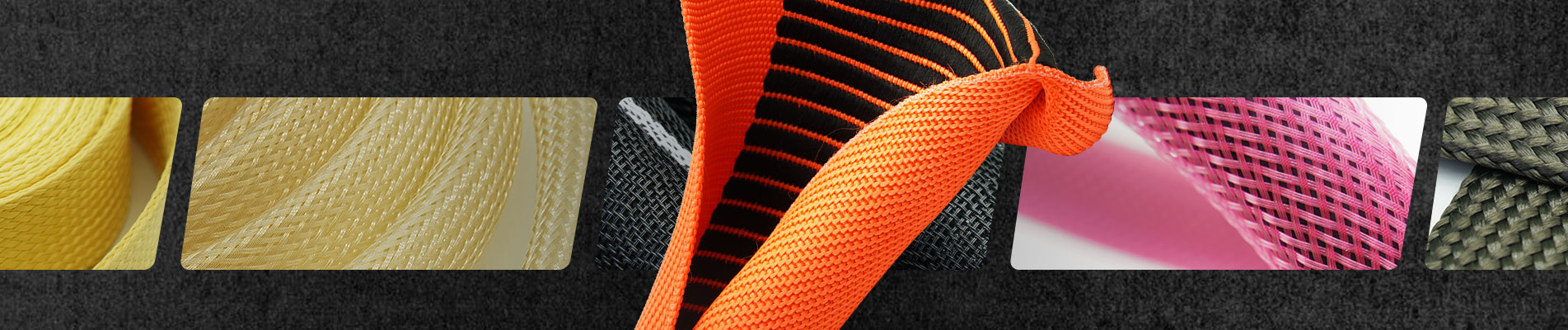
PET braided sleeving protects cables with a woven polyester layer. This mesh absorbs rubbing contact, spreads mechanical stress across the bundle, and lowers friction against nearby surfaces. The result is less abrasion on the cable jacket and less damage over time.
You will see how braided cable sleeves deliver that defense, plus added protection against UV light, chemicals, moisture, and rodents. Braided cable sleeves also carry compliance ratings and cost factors that shape your choice. MJ FLEX appears as a practical manufacturing example. Match the sleeving to your cable environment, and cable protection follows.
Key Takeaways
-
PET braided sleeving uses a woven polyester mesh to absorb rubbing and spread stress, so your cables stay safe from abrasion.
-
The mesh lowers friction and conforms to the cable bundle, reducing wear and extending cable life.
-
Braided sleeving adds protection against moisture, UV light, chemicals, and rodents when you choose the right variant.
-
Check flammability, temperature, and compliance ratings to ensure the sleeving meets safety standards.
-
Size the sleeving correctly to save on installation labor and match the protection level to your cable's environment.
PET Braided Sleeving Abrasion Mechanism
Woven Buffer Layer
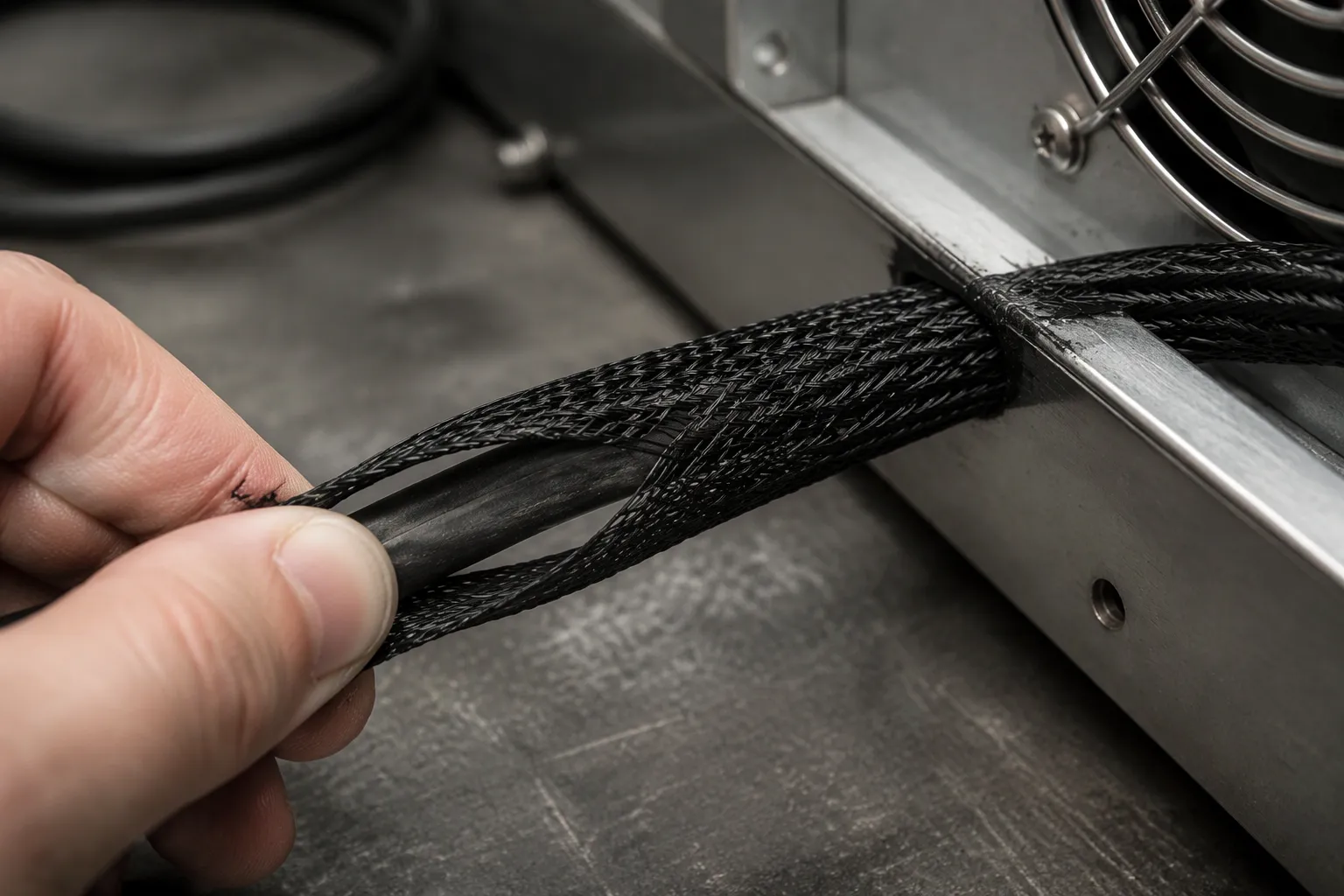
The woven polyester mesh works as a sacrificial buffer. You let the braid take the rubbing contact, so the cable jacket underneath stays intact. Every time a cable drags across a sharp panel edge or vibrates against a metal frame, the braid absorbs that energy first. The jacket never meets the abrasive surface directly. This is the core of abrasion protection: the braided cable sleeves wear out slowly in place of the cable.
Load distribution happens at the braid intersections. Each strand crosses over and under its neighbors, and those crossing points spread mechanical stress across the whole mesh instead of concentrating it on one spot. A single point of contact becomes hundreds of tiny contact points. That spreading action lowers the pressure on any one area of the jacket. The result is fewer cuts and abrasions on the cable surface over time.
PET expandable braided sleeving adds a second advantage here. The mesh expands and contracts to conform to the bundle shape. You push a connector through, and the braid opens. It then closes around the cable bundle and holds a snug fit. This conformity keeps the buffer layer in constant contact with the jacket. Loose sleeving slides and bunches, and that movement creates its own abrasion. A conforming braid stays put. MJ FLEX manufactures PET braided sleeving built around this mechanism, with mesh constructions that balance coverage and flexibility.
Friction Reduction
Friction is the quiet cause of cable damage. A cable rubs against a surface, and the repeated motion grinds away the jacket material. Polyester braided cable sleeving lowers that friction. The smooth filament surface of the polyester strands slides against nearby surfaces more easily than a bare rubber or PVC jacket does. Less friction means less wear on the cable.
The braid also changes where contact happens. A bare cable presses its full round surface against an edge. A braided cable sleeve presents a textured, slightly raised surface instead. The high points of the weave meet the edge first. Those high points are the sacrificial strands. You get abrasion resistance without adding a heavy solid conduit.
This friction reduction matters most in dynamic installations. Cables in cable carriers, robotic arms, or moving machinery experience constant rubbing. Braided sleeving gives those cables a replaceable wear layer. When the braid finally shows wear, you swap the sleeving instead of the cable. That is the practical value of a wire protection sleeve built from woven polyester. The braided cable sleeves handle the friction, and your cables keep their jackets intact.
Braided Cable Sleeves: Added Protection
Moisture and Breathability
Abrasion defense is the headline benefit. Braided cable sleeves also add secondary protection that industry sources confirm. Polyester resists UV light far better than many jacket materials, so sunlight degrades the braid slowly. Chemical resistance follows the same pattern. Most oils, solvents, and mild acids do not attack polyester strands. You gain a shield against environmental damage without a sealed conduit.
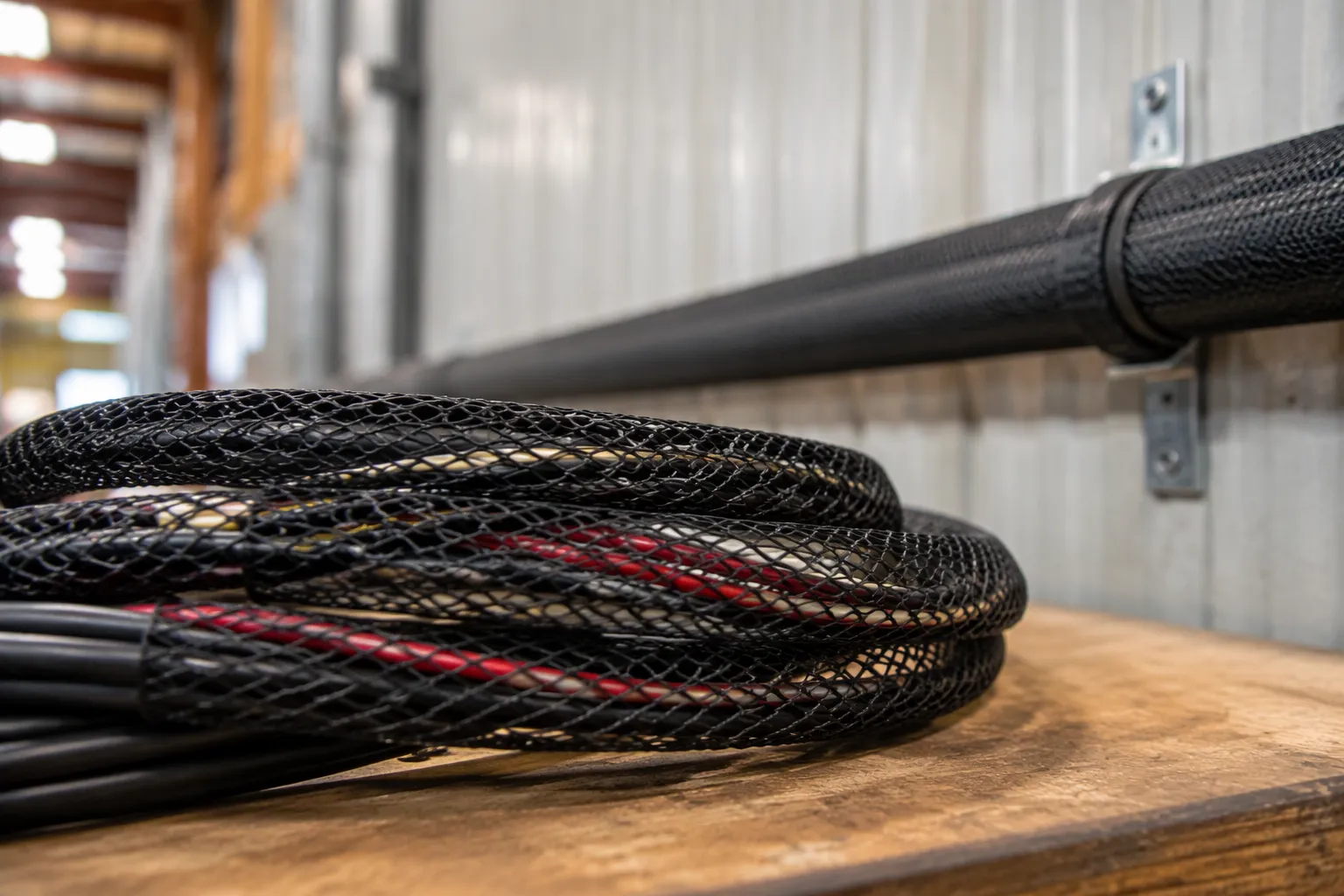
The open weave keeps air moving. Moisture drains through the mesh instead of pooling against the jacket. Trapped water causes corrosion and jacket breakdown, and airflow prevents that trap. This breathability also supports cable bundling and organization. You route several cables through one braided cable sleeve, and the mesh holds them in a neat bundle. The open structure lets you inspect the cables without removing the sleeving. Installers value this feature in cabinets and harnesses where space is tight.
Rodent Resistant Braided Sleeving
Standard PET sleeving handles abrasion well. Gnawing is a different threat, and rodent resistant braided sleeving addresses it as an option. These products add a deterrent to the weave, so rodents meet resistance before their teeth reach the cable. You choose this variant where chewing is a known concern, such as agricultural buildings, warehouses, or outdoor runs. Standard PET remains the right pick for clean indoor routes.
Rodent resistant pet constructions vary by maker. Some use a treated filament, and others use a tighter weave that resists chewing. Rodent resistant pet braided sleeving suits exposed runs in pest-prone sites. Rodent resistant cable sleeving also protects bundles in storage areas. The goal is simple: stop rodent damage before it starts. Chewing on a bare jacket exposes conductors fast. Chewing on a tough braid takes far longer, and the delay often sends the animal elsewhere. Rodent resistant braided sleeving gives you that delay. A rodent resistant sleeve also simplifies repairs, because you replace the braid instead of the cable. Chewing damage on one section stays local. Chewing rarely ends at one bite, so a deterrent layer pays off across the whole run. Rodent resistant braided sleeving fits retrofit work too. You slide it over existing cables without disconnecting them. Chewing risk drops once the braid covers the jacket. Rodent resistant pet options cost more than standard braid, and that premium buys peace of mind in high-risk sites. Chewing losses often exceed the price gap. Rodent resistant braided sleeving earns its place wherever rodents roam. Chewing resistance is the deciding factor, and you should confirm it with the supplier before you buy. Rodent resistant braided sleeving closes the gap that standard braided sleeving leaves open.
Compliance and Ratings
Flammability and Temperature
Flammability ratings tell you how braided cable sleeves behave near heat sources and electrical faults. Polyester is a thermoplastic, so it melts rather than chars. Suppliers often test PET expandable braided sleeving against recognized flame standards such as UL 94 and VW-1. Ask for the test report before you route sleeving through a control panel or near a power supply. The rating on the datasheet tells you whether the braid self-extinguishes or spreads flame.
Temperature ratings set the safe operating window. Standard PET braided sleeving handles continuous heat well below its melting point, and it stays flexible across typical indoor ranges. Check the manufacturer's maximum continuous temperature and the short-term peak. Route braided cable sleeves away from exhaust manifolds, heater cores, and soldering irons. Heat softens the weave, and a soft weave loses abrasion resistance. You protect the cable best when the braid stays inside its rated window.
Braided Sleeving Conformity
RoHS and REACH conformity matter for any product sold into regulated markets. RoHS restricts hazardous substances in electrical and electronic equipment. REACH governs chemical registration and safe use across the European Union. A compliant supplier provides a declaration of conformity and material data for the braided sleeving. Keep those documents with your build records. Auditors and customers ask for them, and a missing declaration stalls a shipment.
Conformity claims deserve verification. Request the actual certificate rather than a marketing badge. Confirm the standard number, the issuing lab, and the date. Reputable makers publish this information openly. MJ FLEX supplies PET braided sleeving with documentation available on request. Treat conformity as a specification, not a slogan. You then compare braided cable sleeves on equal terms, and your compliance file stays complete.
Cost and Sizing Factors
Braided Cable Sleeve Sizing
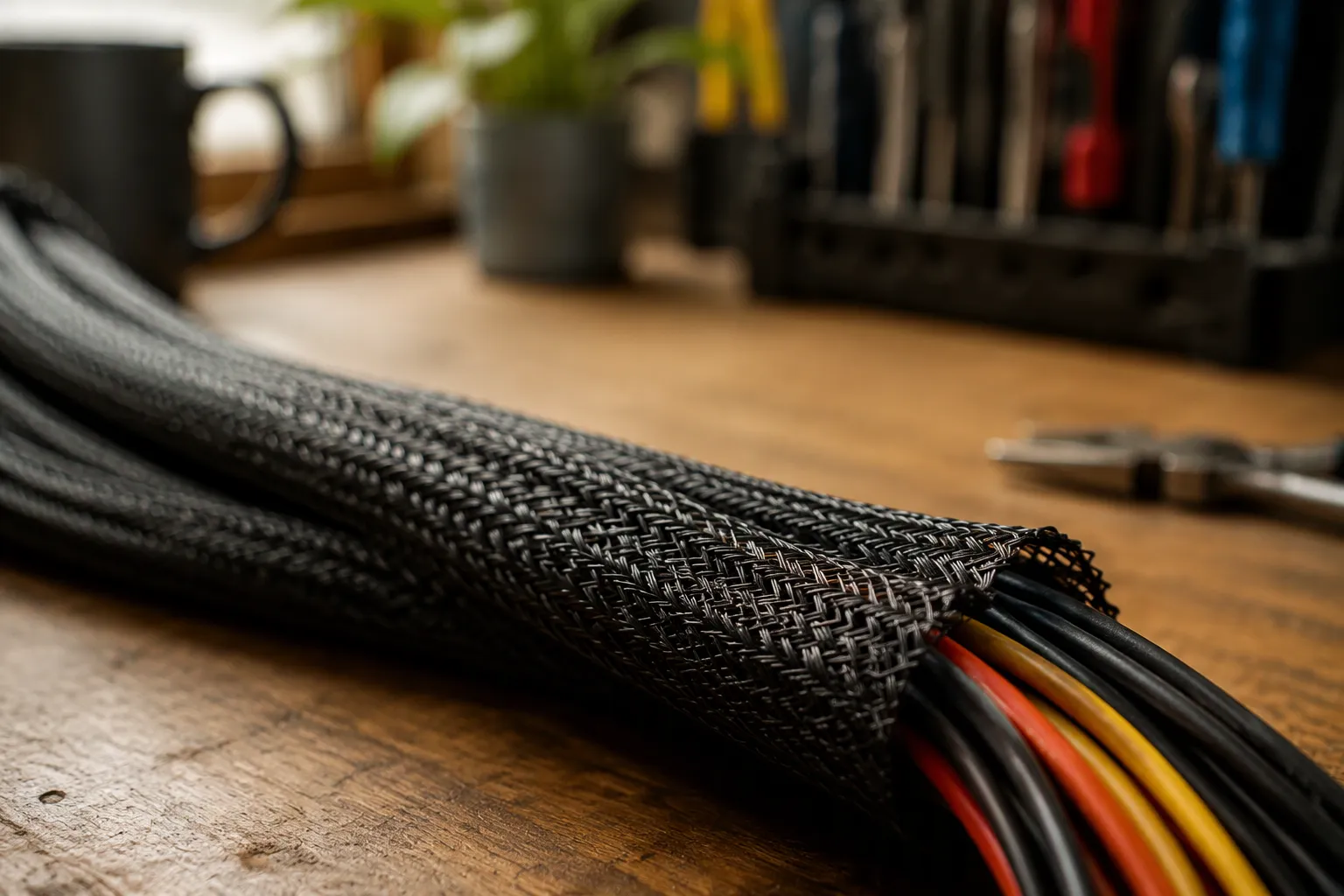
Diameter drives the first decision. Measure your cable bundle at its widest point, then pick a size whose expandable range covers that measurement with room to spare. An undersized braided cable sleeve fights every connector and slows the pull. An oversized one bunches and slides, and a loose fit invites its own abrasion. Coverage matters too. Full coverage guards the whole run, while partial coverage saves material on short exposed sections. The expandable range sets how far the mesh opens during installation. A wide range lets one size serve several bundle diameters, and that flexibility trims the number of part numbers you stock.
Installation labor follows sizing directly. A correctly sized braided cable sleeve slides over connectors and cables without tools, and the job finishes fast. A poor fit adds time to every termination, and labor often outweighs the material price. Installers who size braided cable sleeves well finish faster on every run. MJ FLEX offers PET braided sleeving across these specification ranges, so you can match diameter and expandable range to the cable route.
Protection vs. Budget
Protection and budget pull in opposite directions, and the right balance depends on the environment. Standard PET expandable braided sleeving covers indoor routes at a modest cost. Rodent-resistant or specialty variants cost more, and you reserve them for high-risk sites. Buyers often compare braided cable sleeves on price alone, and that shortcut hides the real cost. A failed cable jacket forces a replacement inside a finished cabinet, and that repair costs far more than the braid ever did.
Match the specification to the threat. A clean office cable run needs basic coverage. A moving machine needs a tight, conforming fit. An outdoor run needs UV and moisture consideration. Compare braided cable sleeves by environment first, then by price. Buyers who size braided cable sleeves to the actual environment avoid both overspending and under-protection. Protection is a specification, not an upgrade. MJ FLEX supplies these ranges, and you choose the grade that fits.
PET braided sleeving protects cables with a woven buffer. That mesh absorbs abrasion, spreads mechanical load, and lowers friction on cables. Options extend protection to UV, chemicals, moisture, and rodent chewing. Braided cable sleeves also carry compliance ratings. Confirm flammability, temperature, RoHS, and REACH documents.
Diameter, coverage, and expandable range drive installation labor and total spend. MJ FLEX supplies PET braided sleeving across these ranges. Braided cable sleeves perform best when you match the spec to the environment. Weigh abrasion, chewing risk, heat, sunlight, and motion. Rodent chewing rarely stops at one bite. A braided cable sleeve sized to the real threat limits damage. Braided cable sleeves fitted well prevent damage and deliver lasting cable protection.
FAQ
How do I size braided cable sleeves?
Measure the cable bundle at its widest point. Pick braided cable sleeves whose expandable range covers that number with spare room. Undersized braided cable sleeves fight every connector. Oversized braided cable sleeves bunch and slide. A wide range lets one size serve several cables.
Do braided cable sleeves resist sunlight and chemicals?
Polyester resists UV light and most oils and solvents. The open weave drains moisture away from the cable jacket. Confirm the rating for long outdoor runs. Braided cable sleeves handle sun and chemical splash well when the spec matches the cable route for your cables.
When do I need rodent resistant sleeving?
Choose rodent resistant braided cable sleeves where gnawing is a known risk, such as warehouses or farm buildings. Standard PET expandable braided sleeving suits clean indoor routes. Both protect cables. The threat decides the grade for your cables.
Which documents should I request?
Ask for the UL 94 or VW-1 test report and the maximum continuous temperature. Request RoHS and REACH declarations. Keep these records with your build file. A PET expandable braided cable sleeve with verified paperwork clears audits faster for any cable run.
Does a bigger braided cable sleeve cost more?
Material price rises with diameter, yet labor often outweighs it. A well-fitted braided cable sleeve slides over connectors fast. A poor fit adds time to every termination. Size the cable route first, then compare braided cable sleeves on total cost for your cables.